
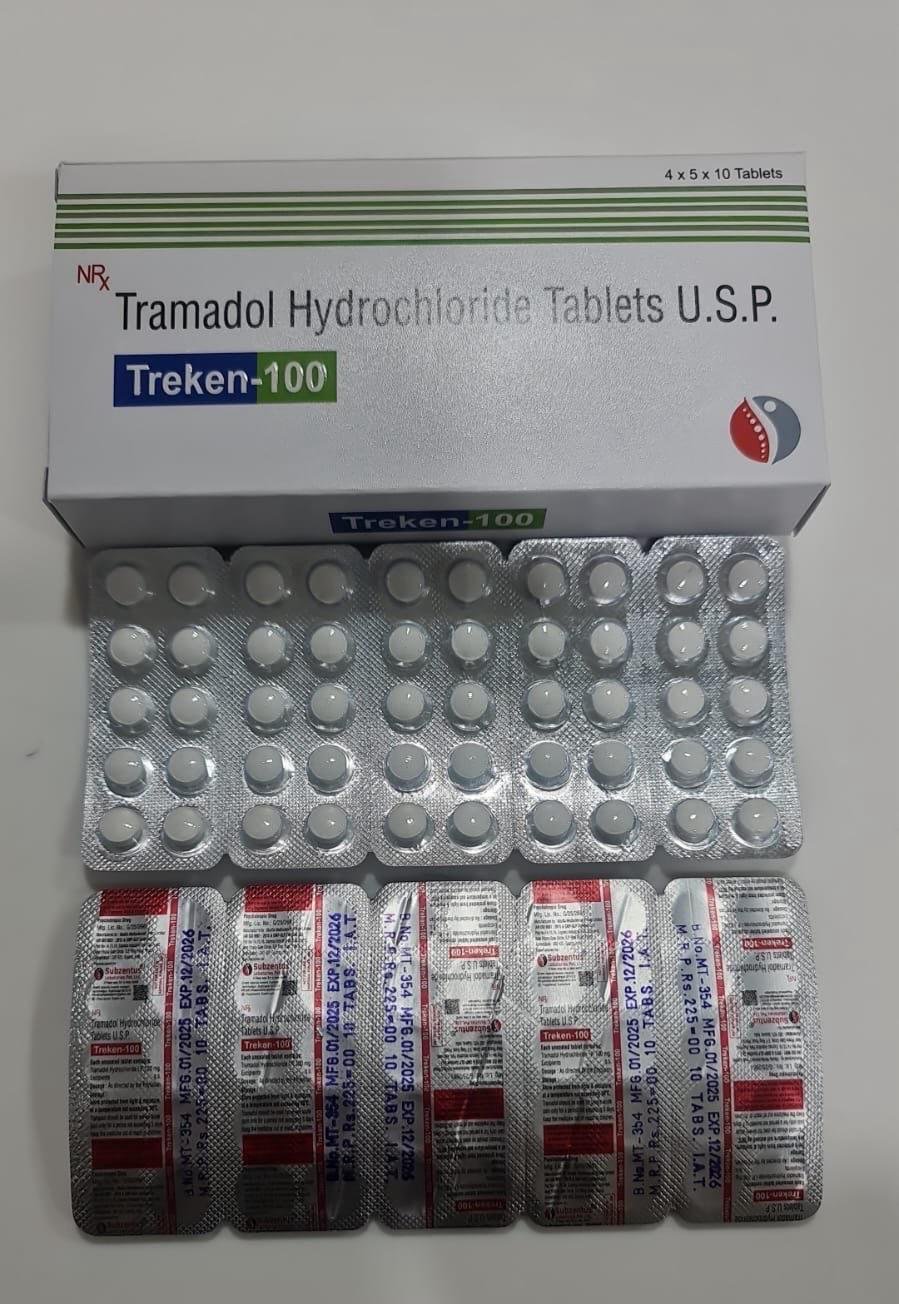
Buying tramadol Online
The internet has changed the way people research and obtain prescription medicines. Instead of visiting a physical pharmacy, consumers can now use online pharmacy services to submit prescriptions, communicate with pharmacists, compare legitimate prices, and arrange medication delivery to their homes.
This convenience can be particularly appealing to people who have difficulty traveling to a pharmacy or who prefer the privacy of managing prescriptions online. However, there is an important distinction between purchasing a prescription medicine through a legitimate online pharmacy and purchasing it from an ordinary website that happens to advertise the medicine.
This distinction is especially important when the medication is tramadol.
Tramadol is an opioid pain medication. FDA-approved tramadol products in the United States are prescription medicines, and FDA labeling contains serious warnings concerning addiction, abuse, misuse, respiratory depression, and other potentially dangerous effects.
The FDA also warns consumers that some websites present themselves as pharmacies while selling unapproved, counterfeit, expired, or otherwise unsafe medicines. Unsafe websites may advertise prescription drugs without requiring a prescription, provide little or no pharmacist support, or operate without appropriate pharmacy licensing.
For that reason, the question should not simply be, “Where can I buy tramadol online?” A better question is:
“How can I obtain prescribed tramadol through a legitimate and safe pharmacy service?”
This article compares the two approaches from a consumer-safety and educational perspective.
1. Buying Tramadol From a General Website vs. a Pharmacy
At first glance, an online website and an online pharmacy may look similar.
Both may have:
- Product pages
- Shopping carts
- Checkout pages
- Payment processing
- Delivery options
- Customer-service forms
- Medication photographs
- Product descriptions
- Reviews or testimonials
However, appearance does not establish legitimacy.
A legitimate online pharmacy is part of the regulated medication-distribution system. It should have appropriate licensing, prescription procedures, pharmacist oversight, and safeguards for dispensing prescription medicines.
By contrast, an unverified website may simply advertise medicines without having the legal authority or professional infrastructure required to dispense them.
The FDA advises consumers to use online pharmacies that require prescriptions, provide a physical address and telephone number, have licensed pharmacists available, and are appropriately licensed by state pharmacy authorities.
Therefore, the most important difference is not whether a website can accept an online order.
The important difference is whether the website is a legitimate pharmacy operating within the applicable regulatory system.
2. What Is Tramadol?
Tramadol is an opioid analgesic used for certain types of pain.
FDA-approved tramadol products are intended for adults with pain severe enough to require an opioid analgesic when alternative treatments are inadequate.
Because tramadol is an opioid, it is not appropriate for everyone.
A healthcare professional may consider factors such as:
- The type and severity of pain
- Other medications
- Previous treatment
- Medical history
- History of substance-use problems
- Respiratory conditions
- Seizure history
- Other neurological conditions
- Pregnancy or breastfeeding considerations
- Age
- Kidney or liver function
The prescribing decision should therefore be individualized.
A website should not replace professional medical evaluation.
3. Why the Source of Tramadol Matters
Prescription medicines require a higher level of oversight than ordinary consumer products.
When someone purchases a product from an unknown website, there may be uncertainty about:
- Where the medicine was manufactured
- Whether the active ingredient is correct
- Whether the strength is accurate
- Whether the medicine was stored correctly
- Whether the product has expired
- Whether the product is counterfeit
- Whether the seller is authorized to dispense it
- Whether the labeling is accurate
The FDA warns that unsafe online pharmacies may sell products containing too much, too little, or none of the expected active ingredient. They may also contain incorrect or harmful ingredients.
This creates a major difference between a regulated pharmacy and an unknown seller.
A legitimate pharmacy has professional and regulatory obligations that an ordinary website may not have.
4. Legitimate Online Pharmacy to BUy tramadol : What It Means
An online pharmacy is not automatically unsafe simply because it operates online.
Many legitimate pharmacies provide online prescription services.
According to FDA guidance, consumers should look for several characteristics when evaluating an online pharmacy.
A safer online pharmacy should:
- Require an appropriate prescription.
- Have a licensed pharmacist available.
- Provide a physical address and telephone number.
- Be licensed by the relevant pharmacy authorities.
These characteristics provide a basic framework for evaluating an online pharmacy.
Consumers should not rely solely on the site’s appearance, advertisements, or customer reviews.
5. Why “No Prescription Required” Is a Warning Sign
One of the clearest differences between legitimate pharmacy services and suspicious websites is prescription handling.
FDA guidance specifically identifies websites that sell prescription medicines without requiring a doctor’s prescription as a warning sign.
For tramadol, this is especially important.
FDA-approved tramadol is available by prescription from a licensed practitioner.
Therefore, a website advertising prescription tramadol while explicitly encouraging customers to bypass normal prescription procedures should raise serious concerns.
Consumers should not interpret “no prescription required” as a convenience feature.
For a prescription opioid, it can indicate that the seller is not following the safeguards associated with legitimate dispensing.
6. Comparing Prescription Verification
Unverified Website
An unverified website may advertise tramadol as a simple retail product.
The customer may be able to select a quantity, enter shipping information, and proceed directly to payment.
There may be little or no medical screening.
Legitimate Pharmacy
A legitimate pharmacy follows applicable prescription requirements.
A prescription may be transmitted electronically by the prescriber or otherwise verified according to applicable law.
The pharmacist can review the prescription and identify potential concerns.
This additional process exists for patient safety.
Prescription verification is therefore not merely administrative paperwork.
It is part of the medication-safety system.
7. Pharmacist Access
Another major difference involves access to a pharmacist.
An online pharmacy should provide a way for patients to obtain professional medication information.
A pharmacist can help with questions about:
- Directions
- Potential interactions
- Side effects
- Missed doses
- Storage
- Prescription clarification
- Medication duplication
- Other safety concerns
The FDA specifically recommends choosing online pharmacies that have licensed pharmacists available to answer questions.
An ordinary sales website may have customer service representatives, but customer service is not necessarily equivalent to professional pharmacy counseling.
8. Product Authenticity
Authenticity is one of the most important issues when purchasing medication online.
A legitimate pharmacy obtains medicines through appropriate supply channels.
An unknown website may not provide the same assurance.
Counterfeit medicines can be difficult to identify simply by looking at them.
The FDA notes that counterfeit medicines may have different appearances, incorrect packaging, incorrect ingredients, or other characteristics that make them unsafe.
Consumers should therefore avoid assuming that a medicine is genuine simply because:
- The tablet looks familiar
- The package has a brand name
- The website uses professional graphics
- The product has positive reviews
- The seller claims to be a pharmacy
Verification through an appropriate pharmacy is much safer than relying on appearance.
9. The Importance of Packaging
When medication arrives from a legitimate pharmacy, consumers should inspect the packaging.
Potential concerns include:
- Broken packaging
- Missing expiration information
- Spelling errors
- Unusual labeling
- Unexpected foreign-language packaging
- Tablets that look different from the expected medication
- Missing pharmacy information
The FDA specifically lists damaged, unusual, expired, or improperly labeled medication as warning signs.
If medication looks substantially different from what was expected, the consumer should contact the dispensing pharmacy before taking it.
10. Price Comparison
Price is one reason consumers search online for medicines.
Online pharmacy services can sometimes offer convenience and legitimate cost savings. The FDA recognizes cost savings as one reason consumers use online pharmacies.
However, an extremely low price should not automatically be interpreted as a bargain.
A price that seems dramatically lower than expected can be a warning sign when combined with other suspicious characteristics.
FDA guidance specifically warns consumers about websites offering unusually deep discounts or prices that appear too good to be true.
A safer approach is to compare prices among legitimate, licensed pharmacies rather than comparing a licensed pharmacy with an unknown seller.
11. Privacy and Personal Information
Online pharmacy transactions involve personal information.
Depending on the service, consumers may provide:
- Name
- Address
- Telephone number
- Prescription information
- Insurance information
- Payment information
- Medical information
A legitimate pharmacy should have appropriate privacy and security practices.
The FDA warns that unsafe websites may fail to protect personal and financial information and may misuse or sell customer information.
Consumers should therefore consider data protection as part of pharmacy selection.
The cheapest website is not necessarily the safest website if it exposes personal or financial information.
12. International Websites
Consumers may encounter websites claiming to ship tramadol from another country.
International purchasing can introduce additional concerns.
The FDA explains that it does not have regulatory oversight over prescription medicines obtained outside the legitimate U.S. drug supply chain and therefore cannot guarantee their safety or effectiveness.
A website may also make claims suggesting that its products come from a highly regulated country without providing reliable evidence of the actual manufacturing or distribution source.
Consequently, consumers should not assume that an international website is safe merely because it mentions a country known for pharmaceutical manufacturing.
13. Jpdol and Other Unapproved Tramadol Products
Consumers should also distinguish between an approved tramadol medicine and a product merely marketed online as tramadol.
The FDA has issued warning letters involving websites that marketed products under names including JPDOL-100. In one warning, the FDA stated that although FDA-approved tramadol products exist, there were no approved drug applications in effect for the particular JPDOL-100 product being offered by the cited website.
A later FDA warning also identified Jpdol 100 mg among unapproved opioid products offered online.
This illustrates why consumers should not assume that every product advertised as “tramadol” is equivalent to an FDA-approved prescription product.
14. Medical Evaluation Before Tramadol
Before taking tramadol, the appropriate starting point is a medical evaluation.
Pain can have many causes.
For example, pain may result from:
- Injury
- Surgery
- Arthritis
- Nerve conditions
- Musculoskeletal disorders
- Infection
- Inflammation
- Chronic disease
- Other medical conditions
Treating pain without identifying its cause can sometimes delay appropriate treatment.
A healthcare professional can determine whether medication is appropriate and whether an opioid is necessary.
15. Tramadol and Opioid Risks
Tramadol should not be considered risk-free because it may be perceived as different from stronger opioids.
FDA-approved tramadol labeling includes serious warnings related to addiction, abuse, misuse, and potentially life-threatening respiratory depression.
These risks are reasons for careful prescribing and monitoring.
Patients should take tramadol only according to their prescription and should not change the dose independently.
16. Drug Interactions
Medication interactions are another reason pharmacy involvement matters.
A pharmacist can review a patient’s medication list and identify potential interactions.
This can be particularly important when a person takes:
- Other opioids
- Sedatives
- Certain psychiatric medications
- Sleep medicines
- Alcohol
- Other central nervous system depressants
Patients should tell their healthcare professional about all medications and supplements they use.
An unknown website cannot reliably perform the same professional medication review simply by displaying a product page.
17. Addiction, Abuse, and Dependence
Tramadol can cause physical dependence and carries risks of abuse and addiction.
This is one reason consumers should not treat prescription opioids as ordinary products.
People should not:
- Share tramadol
- Take another person’s prescription
- Increase the dose without medical guidance
- Take it more frequently than prescribed
- Combine it with other substances without professional advice
If someone is concerned about dependence or withdrawal, they should discuss the situation with a healthcare professional rather than abruptly changing treatment independently.
18. Why Online Reviews Are Not Enough
Online reviews can be useful for understanding general customer-service experiences, but they do not establish that a pharmacy is legitimate.
A website can have:
- Five-star reviews
- Professional photographs
- Customer testimonials
- Social media accounts
- Search-engine advertisements
and still fail to meet pharmacy licensing requirements.
The FDA recommends verifying pharmacy credentials rather than relying on appearance or testimonials.
19. A Practical Comparison
| Factor | Unverified Website | Legitimate Online Pharmacy |
|---|---|---|
| Prescription | May not require one | Requires appropriate prescription |
| Pharmacist | May be unavailable | Licensed pharmacist available |
| Licensing | May be unclear | Verifiable pharmacy licensing |
| Product source | May be unknown | Regulated supply chain |
| Medication authenticity | Uncertain | Greater assurance |
| Medical counseling | Limited or absent | Professional support |
| Privacy safeguards | May be unclear | Established pharmacy policies |
| Packaging | May be inconsistent | Proper dispensing and labeling |
| Price | May be unusually low | Competitive but realistic |
| Regulatory oversight | May be absent | Operates under applicable rules |
| Patient safety | Greater uncertainty | Stronger safeguards |
The central lesson is that the safest comparison is not simply cheap versus expensive.
It is regulated pharmacy versus unverified seller.
20. How to Verify an Online Pharmacy
Consumers considering an online pharmacy should conduct basic verification.
Check the pharmacy license
The FDA recommends checking whether an online pharmacy is licensed by the appropriate state pharmacy board.
Check the physical address
A legitimate pharmacy should provide appropriate contact information.
Look for pharmacist availability
Consumers should be able to obtain professional medication counseling.
Confirm prescription requirements
Prescription medicines should be handled according to applicable prescription laws.
Check regulatory resources
FDA’s BeSafeRx program provides resources for evaluating online pharmacies and locating state-licensed online pharmacy information.
21. What to Do If a Website Looks Suspicious
If an online pharmacy appears suspicious, consumers should avoid providing payment information or personal medical information until the pharmacy has been verified.
Warning signs include:
- “No prescription needed”
- Extremely low prices
- No pharmacist
- No physical address
- Unclear licensing
- Unsolicited spam advertising
- Pressure to order immediately
- Unusual payment methods
- Poorly labeled medication
- Claims of guaranteed medical results
FDA guidance identifies several of these characteristics as warning signs of unsafe online pharmacies.
22. What Legitimate Online Ordering Can Look Like
A legitimate online prescription process can still be convenient.
A typical process may involve:
- A healthcare professional evaluates the patient.
- The healthcare professional determines whether tramadol is appropriate.
- A prescription is issued when appropriate.
- The prescription is transmitted to a licensed pharmacy.
- The pharmacist verifies and processes the prescription.
- The medication is properly labeled.
- The pharmacy arranges pickup or delivery.
- The patient receives access to pharmacist support.
This approach combines online convenience with professional oversight.
23. Delivery Convenience
Home delivery can be a legitimate benefit of online pharmacy services.
People may use delivery because:
- They cannot easily travel.
- They have mobility limitations.
- They live far from a pharmacy.
- They prefer home delivery.
- They need prescription refills delivered.
- They want a convenient way to manage recurring medications.
However, delivery convenience should not mean bypassing prescription safeguards.
The goal should be convenient access through a legitimate pharmacy, not unrestricted access through an unknown seller.
24. Why the Pharmacy Relationship Matters
A pharmacy is more than a place that sells medication.
Pharmacists can contribute to medication safety by reviewing prescriptions, identifying potential interactions, explaining directions, and answering questions.
A long-term relationship with a trusted pharmacy can also make it easier to identify changes in medication, duplicate therapies, and potential problems.
This is especially relevant for medications with significant safety risks.
25. Questions to Ask Before Ordering
Consumers can ask an online pharmacy:
- Are you licensed?
- Where is the pharmacy located?
- Can I verify your license?
- Do you require a valid prescription?
- Is a licensed pharmacist available?
- How can I contact the pharmacist?
- How is medication packaged?
- How is medication stored before shipment?
- What happens if the medication arrives damaged?
- How is my personal information protected?
A legitimate pharmacy should be able to provide clear answers.
26. What If the Price Is Too High?
Cost can be a genuine barrier to prescription treatment.
However, purchasing from an unverified website is not necessarily a safe solution.
Instead, patients can discuss affordability with:
- Their prescriber
- Their pharmacist
- Their health insurer
- A legitimate mail-order pharmacy
- A patient-assistance resource when applicable
A pharmacist may also be able to discuss legitimate alternatives or generic options when clinically appropriate.
27. What If the Pharmacy Is Out of Stock?
Medication shortages can occur.
If a legitimate pharmacy does not have a prescribed medicine available, consumers should not automatically turn to an unknown website.
Instead, they can ask their pharmacist whether another licensed pharmacy has the medication or whether an appropriate alternative is available.
The prescriber may also be able to recommend another treatment if clinically appropriate.
28. What If Someone Already Bought Tramadol From an Unknown Website?
Someone who has already purchased medication from an unknown website should not panic, but they should exercise caution.
If the medication looks unusual, has unexpected packaging, lacks appropriate labeling, or causes unexpected symptoms, the person should contact a healthcare professional or pharmacist.
The FDA recommends being alert to counterfeit medication and unusual packaging or effects.
If a person develops serious symptoms after taking a medication, urgent medical evaluation may be necessary.
29. Counterfeit Medication Risks
Counterfeit medicines represent one of the most serious risks associated with unverified online sellers.
A counterfeit medicine may contain:
- No active ingredient
- Too much active ingredient
- Too little active ingredient
- An incorrect active ingredient
- Harmful contaminants
The FDA warns that counterfeit products can cause unexpected side effects, treatment failure, or serious health consequences.
This is one of the strongest reasons to obtain prescription medication through a properly licensed pharmacy.
30. Why Professional Oversight Matters
Prescription medication is fundamentally different from an ordinary online purchase.
A consumer purchasing clothing can generally select a product based on size, color, and price.
Medication decisions require additional considerations.
The appropriate drug may depend on:
- Diagnosis
- Age
- Medical history
- Other medications
- Allergies
- Kidney function
- Liver function
- Pregnancy status
- Previous treatment
- Risk factors
That is why healthcare professionals remain important even when the purchasing process happens online.
31. The Role of Telehealth
Telehealth can provide another legitimate pathway to medical evaluation.
A licensed healthcare professional may evaluate a patient remotely when permitted under applicable law and clinical circumstances.
If medication is appropriate, the prescription can be sent to a legitimate pharmacy.
Telehealth therefore should not be confused with websites that simply sell prescription medicine without medical oversight.
The key distinction is whether there is a genuine healthcare evaluation and lawful prescription process.
32. Online Pharmacy Safety Checklist
Before using an online pharmacy, consumers can use the following checklist:
Prescription: Does the pharmacy require an appropriate prescription?
License: Can the pharmacy’s license be verified?
Pharmacist: Is a licensed pharmacist available?
Address: Does the pharmacy provide legitimate contact information?
Product: Is the medication properly labeled?
Price: Is the price realistic rather than suspiciously low?
Privacy: Does the website clearly explain privacy and security?
Customer support: Can consumers contact the pharmacy about medication questions?
Regulatory status: Does the pharmacy operate under applicable laws?
If several answers are negative or unclear, consumers should reconsider using the website.
33. Online Pharmacy vs. Local Pharmacy
An online pharmacy and a local pharmacy can both be legitimate.
The primary difference may simply be the method of access.
A local pharmacy provides face-to-face interaction.
An online pharmacy may provide:
- Remote prescription management
- Digital communication
- Home delivery
- Online refill requests
- Electronic notifications
Neither model is automatically safer simply because it is online or offline.
The important factor is whether the pharmacy is properly licensed and follows applicable medication laws.
34. The Importance of a Valid Prescription
A prescription is more than authorization to purchase a medicine.
It communicates information about:
- Patient
- Medicine
- Strength
- Directions
- Quantity
- Refills
- Prescriber
The pharmacist uses the prescription as part of the dispensing process.
For controlled or higher-risk medicines, prescription requirements are an important component of the safety system.
35. Why “Fastest Delivery” Should Not Be the Main Criterion
Consumers may be attracted to websites promising extremely rapid delivery.
However, speed should not outweigh medication safety.
The priorities should be:
- Correct medication
- Appropriate prescription
- Licensed pharmacy
- Pharmacist oversight
- Secure handling
- Reliable delivery
A slightly slower legitimate pharmacy is preferable to a fast but unverified seller.
36. Why Convenience Can Be Misleading
Online purchasing can create the impression that medication is simply another product available for immediate delivery.
Prescription medicines require a different mindset.
Convenience should support healthcare—not replace it.
A legitimate online pharmacy combines digital convenience with the same professional responsibilities expected of a traditional pharmacy.
37. Safe Online Purchasing and Consumer Education
Education is one of the best ways to reduce medication-related risks.
Consumers should learn to recognize:
- Legitimate pharmacy characteristics
- Prescription requirements
- Counterfeit warning signs
- Pharmacist availability
- Licensing information
- Appropriate medication labeling
- Potential drug interactions
The FDA’s BeSafeRx initiative exists specifically to educate consumers about purchasing medicines safely online.
38. Why Search Engines Do Not Guarantee Legitimacy
A website appearing in search results does not establish that it is a licensed pharmacy.
Search engines can display advertisements and websites that consumers still need to evaluate independently.
Consumers should therefore perform pharmacy verification rather than assuming that prominent placement means regulatory approval.
39. Why Social Media Promotions Require Caution
Prescription medicines may also be promoted through social media, messaging applications, advertisements, or forums.
A social-media presence does not establish pharmacy legitimacy.
Consumers should apply the same standards:
- Prescription required
- Pharmacy licensed
- Pharmacist available
- Physical address
- Appropriate medication labeling
The platform used to advertise the medicine does not determine whether the seller is legitimate.
40. Comparing the Two Approaches
The basic comparison can be summarized simply.
Unverified Website
The emphasis is often on:
- Immediate ordering
- Minimal questions
- Low price
- Easy checkout
- Promotional claims
The problem is uncertainty about the medicine and seller.
Legitimate Pharmacy
The emphasis is on:
- Prescription verification
- Pharmacist review
- Pharmacy licensing
- Medication safety
- Proper dispensing
- Patient counseling
- Secure delivery
The second model provides substantially stronger safeguards.
41. What “Safe Online Pharmacy” Really Means
A safe online pharmacy is not simply a website that delivers medicine.
It is a pharmacy that participates in a regulated healthcare system.
The FDA states that safe online pharmacies should require prescriptions, provide appropriate contact information, employ licensed pharmacists, and maintain appropriate licensing.
Those characteristics should be considered minimum criteria when evaluating an online pharmacy.
42. Frequently Asked Questions
Can I buy tramadol online?
Tramadol can be dispensed through legitimate prescription pharmacies when prescribed appropriately. Consumers should avoid unverified websites offering prescription tramadol outside normal prescription procedures.
Is buying tramadol from any website safe?
No. The FDA warns that some websites that appear to be pharmacies sell counterfeit, unapproved, expired, or otherwise unsafe medicines.
Is an online pharmacy automatically unsafe?
No. Legitimate online pharmacies exist. The important issue is whether the pharmacy is properly licensed and follows prescription requirements.
Should an online pharmacy require a prescription for tramadol?
Yes. FDA-approved tramadol products are prescription medicines.
What if a website says “no prescription required”?
This is a major warning sign. FDA guidance specifically identifies failure to require a prescription as a characteristic of potentially unsafe online pharmacies.
How can I verify an online pharmacy?
Check its licensing information and use FDA’s BeSafeRx resources and applicable state pharmacy-board information.
Can I compare prices between pharmacies?
Yes. Comparing prices among legitimate pharmacies can be reasonable. However, unusually low prices from an unverified seller should be treated cautiously.
Is generic tramadol the same as every product labeled tramadol online?
No. A product being labeled “tramadol” does not by itself establish that it is an approved, authentic product. The FDA has specifically taken action concerning unapproved tramadol products marketed online.
Can an online doctor prescribe tramadol?
Depending on applicable laws and clinical circumstances, telehealth professionals may prescribe medications. The important issue is that the prescription comes from a properly licensed healthcare professional following applicable requirements.
What should I do if my medication looks different?
Do not assume that it is safe. Contact the dispensing pharmacy or pharmacist and ask them to verify the product before taking it.
43. Final Comparison: Website vs. Pharmacy
The phrase “buy tramadol online” can describe two very different situations.
In one situation, a consumer finds a website advertising tramadol and is encouraged to purchase it without normal prescription safeguards.
In the other, a patient has been evaluated by a healthcare professional, has an appropriate prescription, and uses a licensed online pharmacy for convenient dispensing and delivery.
These are not equivalent.
The first involves uncertainty about the seller, product quality, regulatory status, and medication safety.
The second combines online convenience with established pharmacy safeguards.
For prescription tramadol, the second approach is the safer model.
Conclusion
Online access has made prescription medication management more convenient, but convenience should never eliminate healthcare safeguards.
When comparing an ordinary website with a legitimate online pharmacy, the most important differences involve prescription verification, licensing, pharmacist access, product authenticity, privacy, medication handling, and regulatory oversight.
FDA guidance consistently recommends using licensed online pharmacies that require prescriptions and provide access to pharmacists.
Consumers should be particularly cautious about websites offering tramadol without a prescription, promising unusually low prices, or providing limited information about the pharmacy and medication.
The FDA has issued enforcement actions concerning websites that illegally marketed tramadol and other prescription medicines online, including warnings involving unapproved tramadol products.
The safest approach is therefore not to search for the fastest or cheapest way to obtain tramadol.
Instead, consumers should focus on obtaining medication through a licensed healthcare professional and a properly authorized pharmacy.
Online pharmacy services can provide genuine benefits—convenience, privacy, prescription management, and home delivery—when they operate within the healthcare system.
The internet can make accessing legitimate pharmacy services easier, but it should not be used to bypass medical evaluation or prescription requirements.
Educational disclaimer: This article is for general educational purposes and is not individual medical or legal advice. Tramadol is a prescription opioid with significant risks. Anyone considering tramadol should discuss appropriate treatment with a qualified healthcare professional and obtain prescription medication through a legitimate, licensed pharmacy.

Items In Sale
-
 Clonazepam Nozim 2mg
Price range: $299.00 through $899.00
Clonazepam Nozim 2mg
Price range: $299.00 through $899.00
-
 Rivotril Clonazepam- 2mg
Price range: $329.00 through $949.00
Rivotril Clonazepam- 2mg
Price range: $329.00 through $949.00
-
 TRAMADOL 100MG Blisters
Price range: $245.00 through $699.00
TRAMADOL 100MG Blisters
Price range: $245.00 through $699.00
-
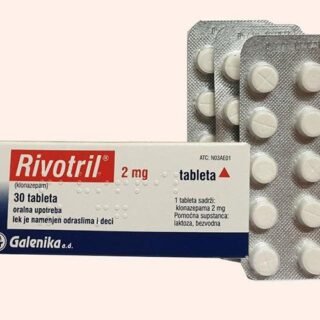 Rivotril Clonazepam- 2mg Galenika
Price range: $329.00 through $949.00
Rivotril Clonazepam- 2mg Galenika
Price range: $329.00 through $949.00
-
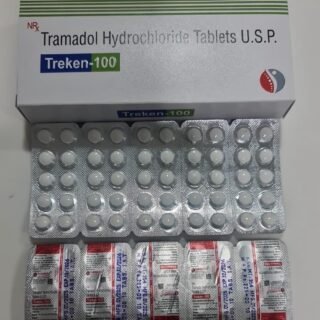 TRAMADOL 100MG Blisters Traken
Price range: $245.00 through $699.00
TRAMADOL 100MG Blisters Traken
Price range: $245.00 through $699.00
Leave a Reply